

Clinical Research
ACADEMIC RESEARCH
Home :: ACADEMIC RESEARCH :: Clinical Research
Clinical research
Effect of proton therapy on glioma
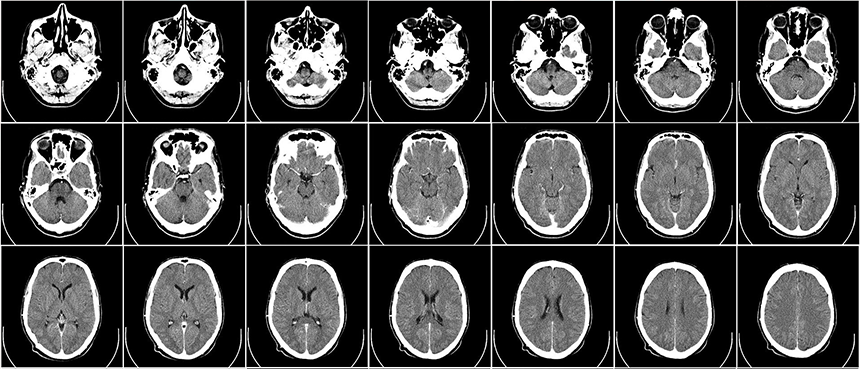
Brain glioma is a tumor that originates from glial cells inside the brain and spinal cord. Light glial cells nourish and protect nerve cells and provide structural support. Most of the gliomas infiltrate the surrounding normal tissue and grow rapidly, and it is difficult to completely remove them surgically. Among primary intracranial tumors, neurotumors are the most common brain tumors, accounting for about 50%, and are cases in which tumors arise from other cells that support nerve cells. These gliomas do not have clear boundaries, and they do not compress the brain from the outside, but occur in the brain itself and destroy the surrounding normal brain tissue.
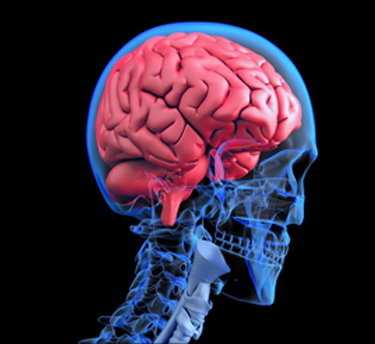
Cerebral gliomas classified into four grades
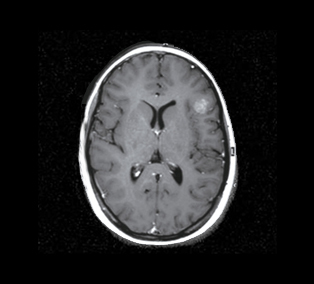
Grades 1 and 2 are classified as ‘benign brain tumor’, and grades 3 and 4 are classified as ‘malignant brain tumor’.
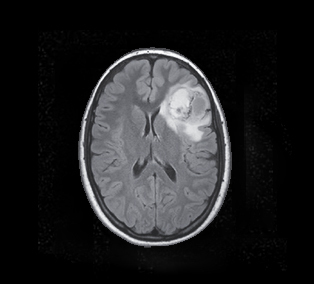
For most benign or malignant brain tumors of grade 2 or higher, surgical treatment is the basic treatment.
Radiation therapy
Depending on the results after surgery, radiation therapy is performed to prevent recurrence after surgery and to enhance the surgical effect. Existing radiotherapy was mainly treatment using x-rays, and the treatment effect has been shown to some extent.
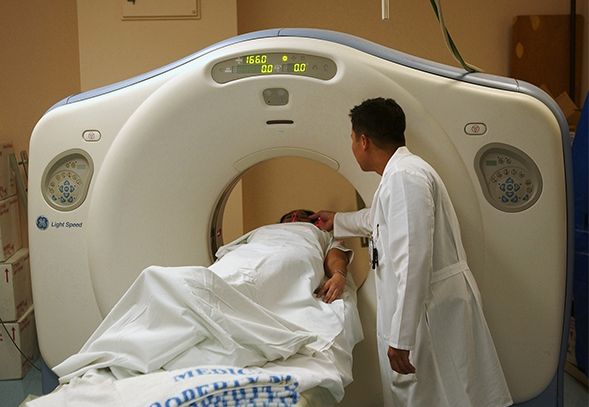
 What is the effect of proton therapy on brain tumor?
Proton therapy has not been applied to brain glioma for a long time and there are not many reports, so it is still unknown how good the treatment effect will be in practice. However, when applying proton therapy, it is expected that side effects may be less than that of conventional x-ray therapy. It is said that there is a possibility of reducing the aftereffects caused by proton therapy when the patient's long-term survival rate is higher than the side effects caused by treatment.
So, if proton therapy is started for adult brain glioma, how much the side effects will be reduced has not yet been clarified, but research is also needed on how much the treatment effect can be increased by reducing the side effects.
Side effects of treatment
Side effects of proton therapy are not significantly different from those of common radiation therapy.
During treatment, side effects such as fatigue, headache, slight nausea followed by loss of appetite may occur, which are similar to the side effects of general x-ray treatment.
Another side effect that can occur is hair loss.
Depending on where the disease is relatively located, proton therapy can cause more hair loss than x-ray therapy.
In most cases, hair comes back after a few months, but in the case of proton, the disease There is a view that if it is close to the scalp, there may be a higher risk of side effects, which can be completely permanent hair loss, compared to x-ray treatment.
CS Center
Tel 916) 940-8899 E-mail atcs@atcsfda.com

ATCS, AMERICAN TECHNOLOGY CLINICAL SOLUTIONS, INC
The office is being relocated.